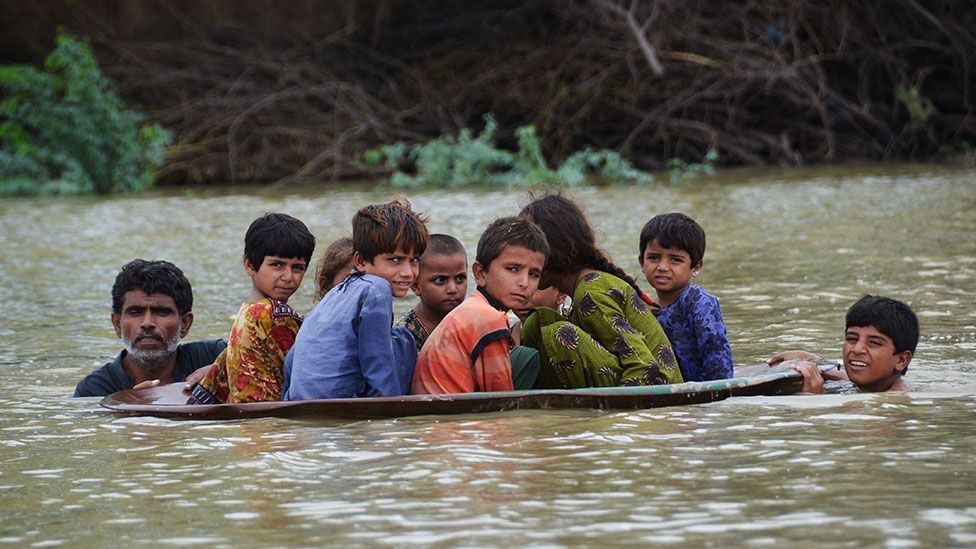

At least 310 people have been killed and hundreds injured by flash floods across Pakistan, and the government has issued warnings for additional catastrophic monsoon downpours in 14 additional towns.
With 16 million residents, the southern city of Karachi has experienced neighborhoods and automobiles swamped in knee-deep murky flood water; the roads are impassable. Since Saturday, at least 15 people have passed away.
Businesses in the city have shuttered, and public services have been suspended. Infrastructure, road systems, and 5,600 dwellings, according to the nation’s National Disaster Management Authority (NDMA), had been devastated.
Pakistan, which was hit by a severe heatwave earlier this year, is one of the most susceptible nations according to the Global Climate Risk Index, which tracks the damage extreme weather has on both human and economic resources. According to estimates, environmental disasters in Pakistan cost the country $4 billion in losses between 2008 and 2018.
Climate campaigner Afia Salam remarked, “Climate is playing its part. “These altering weather patterns exist because of the shifting monsoon, greater downpours, and rain that falls quickly instead of over a longer period of time. Urban flooding in Karachi is a sign of the unpredictable weather we are now experiencing. We need to protect the populace through careful planning since we have not yet adapted to these changes, she said.
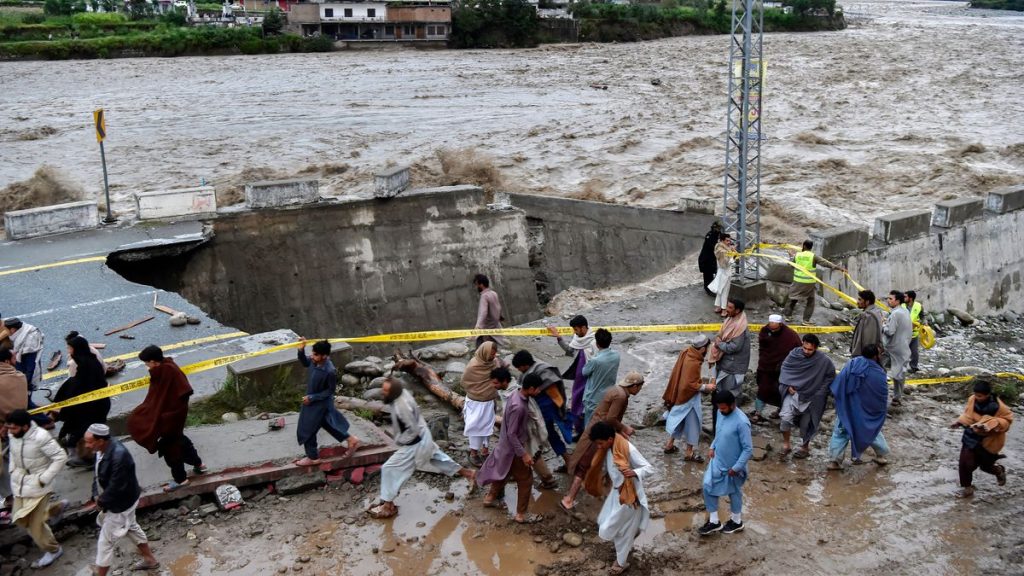
“Government mismanagement is obvious: in Balochistan we always have flash floods and yet we have deaths, and in 2022 even infrastructural losses are unacceptable. There is a lack of coordination between the department and warnings issued, but disaster management is doing nothing,” according to Salam.
The electronics and clothing markets in Karachi have been destroyed, costing billions of rupees in losses, and vendors there are tallying their losses.
Electronics trader Ahmed Khan said, “We have no choice but to relocate our items to drier and safer regions because the roads turned into rivers – and even vehicles were unable to go through the muddy water on the highways.
Farooq Ali and his neighbors in the Karachi slum of Orangi Town must clean up after a flood of floodwater flooded their residences. “Weather is now unpredictable, and when it rains for even a short time, life stops.
“It will take weeks to drain water out, without any support from the municipal government,” said Ali, a 34-year-old vegetable vendor.