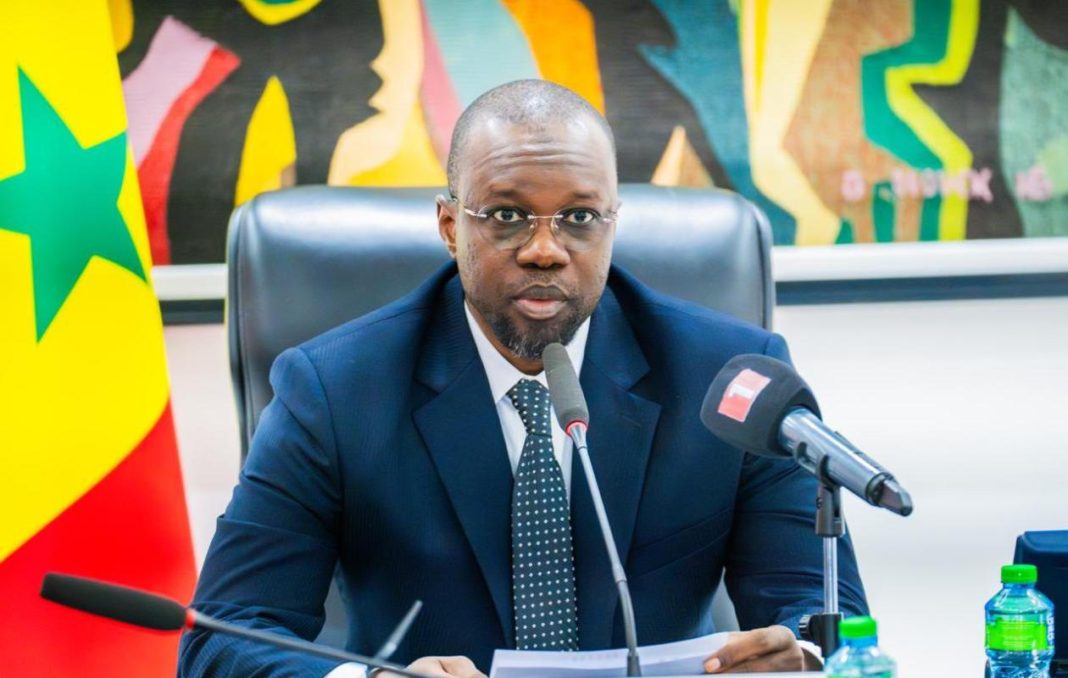

DAKAR, Senegal — Senegal’s Prime Minister Ousmane Sonko has publicly threatened to pull his powerful Pastef party out of the government and revert to an opposition role if President Bassirou Diomaye Faye strays from the political vision that propelled their joint rise to power in 2024. The statement, made during a live broadcast on Sunday, March 2, highlights deepening divisions within the ruling alliance at a time of economic strain and ongoing IMF negotiations.
Sonko, a charismatic figure who enjoys strong support among Senegal’s youth and was instrumental in Faye’s 2024 presidential victory, addressed rumors of a power struggle directly. Barred from running for president himself due to a prior legal conviction, Sonko handpicked Faye—a longtime aide and lesser-known party member—as the Pastef candidate. Faye won decisively and subsequently appointed Sonko as prime minister in a setup described by some observers as “soft power-sharing.”
In his remarks, Sonko emphasized conditional loyalty to the current arrangement: “If the president is aligned with his party, the debate is moot,” he said. “If the president is not aligned with his party, even though we all govern together, we’re in what I call a ‘soft power-sharing’ situation. We would manage our differences accordingly, and we would also seek common ground to move forward together.”
He went further, stating that Pastef would be prepared to endure a “more difficult cohabitation” or fully withdraw to opposition if Faye breaks from the party’s core principles and vision that won them the 2024 election on promises of systemic reform, anti-corruption, and economic sovereignty.
The comments come amid persistent reports of friction since late 2025, including conflicting statements over coalition leadership roles and policy directions. Tensions have been exacerbated by Senegal’s severe debt crisis—public debt has surged to an estimated 132% of GDP following revelations of hidden liabilities under the previous administration of Macky Sall. The government faces looming repayments, student protests over unpaid aid, and pressure from IMF talks on potential restructuring—options Sonko has publicly opposed in favor of alternative financing strategies.
Analysts note that Sonko appears to hold significant leverage through his control of Pastef’s grassroots base and popularity, with few prominent figures openly siding with Faye in recent public spats. The rift risks destabilizing the government, delaying reforms, and complicating fiscal negotiations critical to avoiding deeper economic turmoil.
No immediate response from President Faye or his office was detailed in the initial reports, though past incidents of discord have occasionally been followed by attempts at reconciliation or public downplaying of divisions.
This latest escalation underscores the fragility of the post-2024 political order in Senegal, where two once-united allies now navigate competing visions of leadership and governance. With the 2029 presidential election on the horizon, the outcome of this internal struggle could reshape the country’s political landscape and its approach to pressing economic challenges.